
Preventing Stroke: A Multifaceted Approach to Risk Reduction and Early Intervention
Stroke, a cerebrovascular incident resulting from disrupted cerebral blood flow and subsequent neuronal injury, poses a substantial global health challenge. The long-term consequences of stroke, often including significant disability, necessitate a proactive, multi-pronged preventive strategy. This article examines key modifiable and non-modifiable risk factors, effective preventive measures, and the critical role of early recognition, leveraging established behavioral change models such as the Health Belief Model (HBM) and the Transtheoretical Model (TTM) to inform intervention strategies. The HBM emphasizes individual perceptions of susceptibility and severity in influencing health behaviors, while the TTM outlines the stages of behavioral change (precontemplation, contemplation, preparation, action, maintenance) to guide tailored interventions.
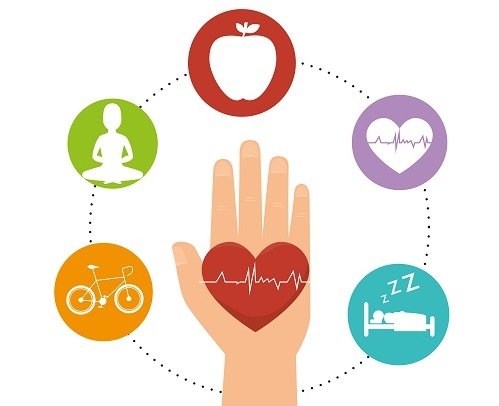
1. Optimizing Cardiovascular Health: Primary Prevention Strategies: Many stroke risk factors are amenable to modification. Hypertension, a major contributor, often stems from unhealthy lifestyles. Regular blood pressure monitoring, adherence to prescribed antihypertensive medications, and dietary modifications (reducing saturated and trans fats, cholesterol, and sodium) are crucial primary prevention strategies. Incorporating regular physical activity, as recommended by the American Heart Association (at least 150 minutes of moderate-intensity aerobic exercise per week), significantly enhances cardiovascular health and reduces stroke risk. This aligns with principles of primary prevention, aiming to prevent disease onset.
2. Managing Chronic Conditions: Tertiary Prevention and Risk Mitigation: Conditions like diabetes mellitus and atrial fibrillation (AFib) substantially increase stroke risk. Stringent glycemic control through diet, exercise, and appropriate pharmacotherapy is paramount for individuals with diabetes. Similarly, for those with AFib (characterized by irregular heartbeat and heightened risk of thrombus formation), regular cardiac monitoring and appropriate anticoagulation therapy are crucial. This exemplifies tertiary prevention, focusing on managing existing conditions to minimize their impact.
3. Lifestyle Modifications: Secondary Prevention and Behavior Change: Smoking cessation is critical due to its deleterious effects on vascular health, including endothelial dysfunction and increased thrombogenicity. Evidence-based cessation programs offer support and resources to enhance success rates. Moderate alcohol consumption is advised; excessive intake elevates blood pressure, increasing stroke risk. These interventions constitute secondary prevention, targeting individuals with existing risk factors. Applying the TTM, interventions should be tailored to the individual's stage of change, providing appropriate support and resources at each stage.
4. Prompt Recognition and Early Intervention: Utilizing the F.A.S.T. Acronym and the Health Belief Model: The F.A.S.T. acronym (Face drooping, Arm weakness, Speech difficulty, Time to call 911) provides a readily accessible method for identifying stroke symptoms. Its simplicity and effectiveness align with the HBM's emphasis on perceived susceptibility and severity. By recognizing the potential for a stroke and its serious consequences, individuals are more likely to seek immediate medical attention, a crucial factor in minimizing neurological damage.
5. Public Health Education and Community Engagement: Leveraging the Transtheoretical Model: Widespread dissemination of information regarding stroke risk factors and warning signs is vital. This aligns with the TTM’s stages of behavior change. Educational campaigns must be tailored to specific populations and stages of change, offering appropriate support and resources for lifestyle adjustments. Utilizing social networks and community partnerships enhances the impact of public health messaging.
6. Proactive Healthcare and Risk Assessment: Regular Monitoring and Open Communication: Regular health screenings enable early detection of risk factors, allowing for timely intervention. Comprehensive medical history, including family history, and open communication with healthcare providers are essential. This proactive approach to healthcare is crucial for mitigating potential health risks.
7. Addressing Stress and Optimizing Sleep Hygiene: Holistic Approach to Risk Reduction: Chronic stress and poor sleep hygiene (insufficient sleep duration and quality) negatively affect cardiovascular health, thus increasing stroke risk. Stress management techniques (meditation, yoga, social support) and prioritizing 7-8 hours of quality sleep nightly are crucial for overall well-being and cardiovascular health.
8. Hydration and its Impact on Hemostasis: Maintaining Optimal Blood Viscosity: Adequate hydration is essential for maintaining appropriate blood viscosity. Dehydration increases the likelihood of clot formation. Consistent fluid intake (at least eight glasses of water daily) supports optimal cardiovascular health and complements other preventative measures.
Conclusions and Recommendations: Effective stroke prevention demands a holistic approach encompassing individual lifestyle changes and proactive healthcare engagement. The HBM and TTM frameworks underscore the importance of individual perceptions and behavioral stages in implementing preventive measures. Early recognition through the F.A.S.T. acronym and prompt medical attention are critical for minimizing stroke's devastating impact. Future research should focus on developing and evaluating culturally appropriate interventions that address diverse population-specific risk factors. Furthermore, technological advancements in early detection and management warrant further investigation. The long-term effects of these preventative strategies will likely be a significant reduction in stroke morbidity and mortality, ultimately enhancing population health. Collaborative efforts amongst healthcare providers, public health agencies, and community leaders are vital for implementing these strategies effectively. A comprehensive, population-level approach incorporating large-scale public health campaigns, improved access to healthcare, and targeted interventions based on individual risk profiles will be essential for maximizing the impact of stroke prevention initiatives.
Reader Pool: Given the complexity of stroke prevention, what innovative strategies could be implemented to improve the effectiveness of public health messages and encourage sustained behavior change across diverse populations?



No comments yet. Be the first to share your thoughts!