
Navigating the Labyrinth of Chronic Illness: A Holistic Approach to Well-being
Chronic illness presents significant challenges, often leading to feelings of helplessness and diminished quality of life. However, a fulfilling life is achievable through proactive self-management and a holistic approach to well-being. This article outlines key strategies, grounded in established health psychology models and medical best practices, to empower individuals in navigating their chronic conditions and enhancing their overall health.
1. Self-Advocacy and Informed Decision-Making: The Cornerstone of Effective Management
Understanding one's chronic illness is paramount. This involves a thorough investigation of the condition, its pathophysiology, potential complications, and available treatment modalities. The Health Belief Model highlights the importance of perceived susceptibility and severity in influencing health behaviors. By becoming well-informed, individuals can actively participate in shared decision-making with their healthcare team, fostering a collaborative approach aligned with the principles of patient-centered care.
2. Building a Supportive Ecosystem: Harnessing Social Capital for Resilience
A strong social support network is crucial. Social support theory emphasizes the buffering effects of social connections on stress and emotional well-being. This network can encompass family, friends, support groups (facilitating social comparison and coping mechanisms), and healthcare professionals. Regular engagement with this network helps mitigate feelings of isolation and strengthens coping mechanisms, aligning with the principles of the Social Cognitive Theory.
3. Goal Setting and Self-Efficacy: A Gradual Path to Success
Managing chronic illness requires long-term commitment. The Self-Determination Theory suggests that intrinsic motivation and a sense of autonomy are crucial for sustained engagement. Breaking down large goals into smaller, achievable steps, guided by principles of behavioral goal setting, fosters a sense of accomplishment and reinforces self-efficacy, leading to improved adherence to treatment plans.
4. Prioritizing Self-Care: A Foundation for Holistic Well-being
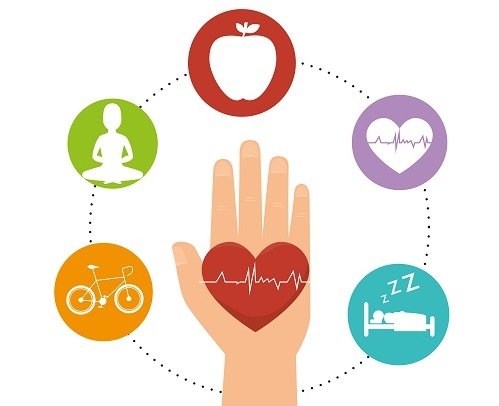
Self-care is not optional but essential. A balanced approach incorporating adequate rest, a personalized nutrition plan (potentially informed by the principles of nutritional therapy for specific conditions), appropriate physical activity (guided by individual capabilities and medical advice), and effective stress management techniques (such as mindfulness or cognitive behavioral therapy) is vital. This holistic approach aligns with the biopsychosocial model, recognizing the interconnectedness of biological, psychological, and social factors in health.
5. Establishing Daily Rhythms: Structure and Predictability for Stability
Consistent daily routines provide structure and predictability, reducing anxiety and improving emotional regulation. Planning activities, medications, appointments, and self-care practices fosters a sense of control, promoting a feeling of stability and reducing the unpredictable nature of chronic illness.
6. Open Communication and Collaborative Care: A Partnership in Health
Effective communication with healthcare providers is critical. Openly sharing concerns, actively participating in decision-making, and seeking clarification ensures a collaborative partnership based on mutual respect and trust, enhancing treatment efficacy and patient satisfaction.
7. Leveraging Technological Advancements: Optimizing Management and Access to Care
Technology offers valuable tools for managing chronic illness. Symptom tracking apps, medication reminders, telehealth platforms, and online support groups enhance accessibility, convenience, and engagement with care.
8. Addressing Mental Health Needs: Integrated Care for Holistic Well-being
Chronic illness often impacts mental health. Seeking professional support from therapists or counselors provides a safe space to process emotions, develop coping strategies, and address mental health concerns, promoting overall well-being.
9. Cultivating Gratitude and Positive Psychology: Shifting Perspective and Enhancing Resilience
Focusing on gratitude enhances positive emotions and resilience. Regularly reflecting on positive aspects of life shifts perspective and promotes a more optimistic outlook, crucial for coping with chronic illness challenges.
10. Information Management and Organization: Facilitating Efficient Care
Maintaining organized medical records ensures readily available information for appointments and emergencies, streamlining communication with healthcare providers.
11. Patient Advocacy: Empowering Individuals to Shape Their Care
Proactive patient advocacy is essential. Expressing preferences, asking questions, and participating actively in care planning ensures that individual needs and preferences are considered.
12. Promoting a Flourishing Lifestyle: Prioritizing Joy and Fulfillment
Engaging in enjoyable activities, pursuing hobbies, and spending time with loved ones enhances well-being and promotes a sense of purpose and fulfillment.
13. Mastering Stress Management: Techniques for Reducing Negative Impacts
Implementing stress-reducing techniques like yoga, deep breathing, or mindfulness meditation mitigates the negative effects of stress, improving overall coping ability.
14. Continuous Self-Education: Remaining Informed on Medical Advances
Staying informed on the latest research enhances understanding and empowers informed decision-making regarding treatment options and self-management strategies.
15. Celebrating Milestones: Acknowledging Strength and Resilience
Celebrating achievements, no matter how small, reinforces self-efficacy and motivates continued progress, fostering a positive self-image and promoting perseverance.
Conclusion and Recommendations: A Roadmap for Ongoing Well-being
Effectively managing chronic illness requires a long-term commitment to self-management and a holistic approach incorporating the principles outlined above. Further research could investigate the effectiveness of tailored interventions based on specific chronic conditions and individual characteristics. The integration of technology, patient education programs, and robust support networks is critical in improving the lives of those living with chronic illnesses. By embracing a proactive and positive approach, individuals can navigate the challenges of chronic illness and lead fulfilling lives. The impact of these recommendations extends to improved patient outcomes, healthcare system efficiency, and enhanced quality of life for individuals and their families.
Reader Pool: Considering the presented strategies, what additional aspects of self-management or supportive care do you believe are crucial for improving the well-being of individuals living with chronic illnesses?




No comments yet. Be the first to share your thoughts!