
Safeguarding Cardiovascular Health: A Multifaceted Approach to Lifestyle Modification
Cardiovascular disease (CVD) constitutes a significant global health challenge, imposing a substantial burden on healthcare systems worldwide. However, a considerable portion of CVD risk is attributable to modifiable lifestyle factors. This article presents a comprehensive strategy for mitigating CVD risk through evidence-based lifestyle interventions, emphasizing the application of relevant health behavior models and theories to facilitate sustained behavioral change. Key concepts, including the Health Belief Model (HBM), the Theory of Planned Behavior (TPB), and the Transtheoretical Model (Stages of Change), will be integrated throughout the discussion.
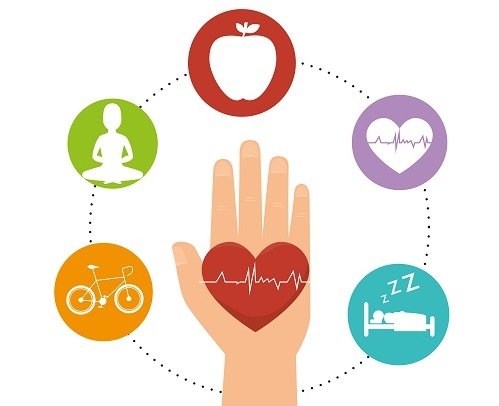
1. Optimizing Dietary Intake for Cardiovascular Well-being: Adherence to a heart-healthy dietary pattern is paramount. The Dietary Approaches to Stop Hypertension (DASH) diet, rich in fruits, vegetables, whole grains, and lean proteins, serves as an exemplary model. This approach, informed by principles of nutritional epidemiology, minimizes the consumption of saturated and trans fats, sodium, and added sugars—all significant contributors to CVD risk. The HBM underscores the importance of perceived susceptibility to CVD and perceived benefits of dietary changes as motivators for behavioral adoption.
2. Integrating Regular Physical Activity into Daily Life: The American Heart Association recommends at least 150 minutes of moderate-intensity or 75 minutes of vigorous-intensity aerobic activity weekly. Regular physical activity enhances cardiovascular fitness, reduces body weight, and improves lipid profiles. The TPB highlights the role of intention, subjective norms (perceived social pressure), and perceived behavioral control in predicting physical activity engagement. Tailoring interventions to individual levels of perceived control, like providing accessible resources and creating supportive social environments, is vital.
3. Promoting Adequate Sleep for Cardiovascular Health: Sleep deprivation negatively impacts numerous physiological processes, including cardiovascular regulation. The recommended duration of sleep is 7-9 hours per night. Interventions could involve cognitive behavioral therapy for insomnia, sleep hygiene education, or mindfulness techniques to improve sleep quality. Understanding the stage of change (Transtheoretical Model) an individual is in regarding sleep habits is crucial for effective intervention.
4. Smoking Cessation: A Cornerstone of Cardiovascular Risk Reduction: Smoking cessation represents a crucial intervention. Nicotine's vasoconstrictive effects significantly increase CVD risk. The use of evidence-based interventions, such as nicotine replacement therapy, counseling, and pharmacotherapy, along with understanding the individual’s readiness to change (Transtheoretical Model), is essential for successful smoking cessation.
5. Responsible Alcohol Consumption: Moderate alcohol intake may offer some cardiovascular benefits for certain populations. However, excessive consumption elevates blood pressure and increases CVD risk. Moderation guidelines should be followed, emphasizing responsible consumption within recommended limits.
6. Implementing Effective Stress Management Techniques: Chronic stress exerts a significant toll on the cardiovascular system, contributing to hypertension and other CVD risk factors. Stress-reduction strategies, such as mindfulness-based interventions, yoga, and regular relaxation exercises, can mitigate these adverse effects. The HBM emphasizes the perceived severity of stress-related health consequences as a driver for adopting stress management techniques.
7. Achieving and Maintaining a Healthy Body Weight: Obesity is a major risk factor for CVD. Weight management strategies should combine balanced nutrition, regular physical activity, and behavioral modification techniques to promote sustainable weight loss. Setting realistic, achievable goals and utilizing self-monitoring strategies are key components of successful weight management programs.
8. Mitigating Sedentary Behavior: Prolonged periods of inactivity negatively affect cardiovascular health. Incorporating regular movement breaks and reducing sedentary time through lifestyle modifications such as using standing desks or taking walking breaks enhances cardiovascular health.
9. Minimizing the Consumption of Processed Foods: Processed foods are frequently high in unhealthy fats, sodium, and added sugars, contributing significantly to CVD risk. Prioritizing whole, unprocessed foods forms a cornerstone of a heart-healthy diet.
10. Practicing Portion Control to Manage Caloric Intake: Overconsumption leads to weight gain and increased CVD risk. Conscious portion control, utilizing smaller plates, and mindful eating practices can effectively manage caloric intake.
11. Maintaining Adequate Hydration: Adequate hydration is essential for overall health, including cardiovascular function. Consuming sufficient water daily supports optimal physiological processes.
12. Prioritizing Lean Protein Sources in the Diet: Lean protein sources are rich in essential nutrients and lower in saturated fat compared to fatty meats, thus supporting heart health.
13. Cultivating a Balanced Lifestyle: While adhering to healthy lifestyle choices is crucial, occasional indulgences are permissible. Maintaining a balanced approach ensures long-term adherence to healthier habits.
14. Safe and Judicious Sun Exposure for Vitamin D Acquisition: Adequate Vitamin D levels play a role in cardiovascular health. Limited sun exposure, coupled with responsible sun protection measures, can help optimize vitamin D levels.
15. Seeking Professional Guidance and Staying Informed: Regular checkups with healthcare professionals and staying updated on current research through reliable sources provide personalized guidance and support for maintaining optimal heart health.
Conclusions and Recommendations
This multifaceted approach to lifestyle modification holds immense potential for preventing and mitigating CVD risk. By integrating evidence-based strategies grounded in established behavioral change theories and models, such as the HBM, TPB, and Transtheoretical Model, individuals can significantly reduce their CVD risk and enhance their overall well-being. Future research should explore the efficacy of tailored interventions that incorporate digital health technologies, personalized feedback mechanisms, and community-based support systems to maximize the effectiveness of these lifestyle changes. The impact of these interventions extends beyond individual health, influencing population-level health outcomes and reducing the economic burden of CVD. The long-term success depends on adopting a holistic perspective, encompassing nutrition, physical activity, sleep, stress management, and responsible health behaviors. This integrated approach paves the way for creating a healthier future for individuals and communities.
Reader Pool: Considering the multifaceted approach outlined in this article, what specific lifestyle modifications do you believe hold the most significant potential for impacting cardiovascular health within your community, and why?




No comments yet. Be the first to share your thoughts!