
Navigating the Perimenopausal Transition: A Holistic Approach to Hormonal Change
Perimenopause, the transitional phase preceding menopause, marks a significant shift in a woman's endocrine system, characterized by fluctuating hormone levels and a diverse array of physiological and psychological symptoms. This article will explore a comprehensive strategy for managing this period, drawing upon relevant health models and psychological frameworks to offer practical guidance and support for women experiencing perimenopause.
Understanding and Managing Perimenopausal Symptoms: A Multifaceted Approach
1. Comprehensive Understanding of Perimenopause: Perimenopause is not a singular event but a process that can extend over several years. The hallmark of this transition is the fluctuating production of estrogen and progesterone, leading to a cascade of physiological changes. Applying the biopsychosocial model, we recognize that physical symptoms are interwoven with psychological and social factors, influencing the overall experience.
2. Symptom Recognition and Assessment: The diverse symptoms associated with perimenopause, including irregular menses, vasomotor symptoms (hot flashes and night sweats), sleep disturbances, mood changes (irritability, anxiety, depression), cognitive impairment, and urogenital changes, necessitate a systematic approach to assessment. The symptom severity can be evaluated using validated scales such as the Greene Climacteric Scale, providing a quantitative measure for tracking progress and treatment effectiveness.
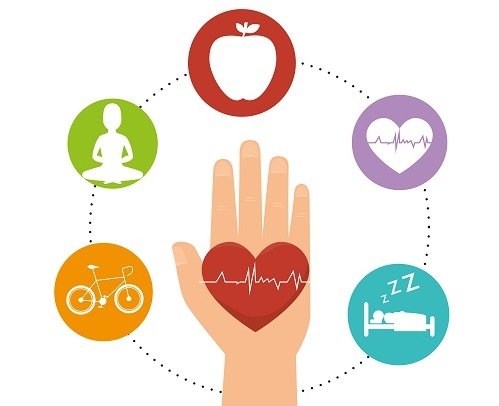
3. Evidence-Based Self-Management Strategies: Lifestyle interventions form the cornerstone of perimenopausal management. A healthy lifestyle incorporating regular moderate-intensity physical activity, as supported by the Health Belief Model, promotes both physical and mental well-being. Furthermore, adhering to a balanced nutritional plan rich in phytoestrogens and antioxidants can mitigate some symptoms. Adequate sleep hygiene, crucial for hormonal regulation and overall health, should also be prioritized.
4. Stress Management Techniques: Chronic stress exacerbates hormonal imbalances and intensifies perimenopausal symptoms. Mindfulness-based stress reduction (MBSR) techniques, including meditation and yoga, offer effective strategies to manage stress, promoting emotional regulation and well-being. Cognitive Behavioral Therapy (CBT) can further aid in addressing negative thought patterns and coping mechanisms, improving overall mental health.
5. Social Support and Communication: The social support system plays a vital role in navigating perimenopause. Open communication with partners, family, and friends fosters understanding and reduces feelings of isolation. Participating in support groups provides a platform to share experiences, learn coping strategies, and foster a sense of community, aligning with the social determinants of health framework.
6. Seeking Professional Guidance: When symptoms are debilitating or significantly impact quality of life, seeking professional medical attention is crucial. Healthcare professionals specializing in women's health can conduct a thorough evaluation, rule out other medical conditions, and tailor interventions to individual needs. This may involve hormone replacement therapy (HRT), which, while effective for symptom management in some cases, should be carefully considered with a risk-benefit assessment in consultation with a doctor.
7. Complementary and Alternative Medicine (CAM): Certain CAM approaches like acupuncture and herbal remedies, such as black cohosh and evening primrose oil, are sometimes employed. However, it is imperative to use caution and consult with a healthcare provider before using these methods, as their efficacy and safety vary, and some can have interactions with medications or underlying health conditions. This approach aligns with the principles of integrated medicine, combining conventional and complementary therapies.
Conclusion and Recommendations
Perimenopause represents a significant life transition, necessitating a holistic and individualized approach to management. Integrating lifestyle modifications, stress management techniques, and appropriate medical interventions, when needed, improves the overall well-being of women during this phase. Future research should focus on longitudinal studies to understand the long-term impact of various interventions on cardiovascular health, cognitive function, and overall quality of life during and beyond perimenopause. Furthermore, culturally sensitive approaches to healthcare are needed to address the diverse experiences of women within different populations. The effective application of these strategies, coupled with proactive healthcare seeking and robust social support systems, can empower women to navigate the perimenopausal transition successfully and confidently.Reader Pool: Considering the multifaceted nature of perimenopause, how can we better integrate holistic approaches into standard healthcare practices to optimize the management and overall well-being of women during this transitional phase?
```




No comments yet. Be the first to share your thoughts!