
Building Resilient Communities Across the Americas: A Comprehensive Approach to Disaster Preparedness
The increasing frequency and intensity of natural disasters across the Americas—from hurricanes and wildfires to earthquakes and floods—demand a robust, community-focused approach to disaster preparedness. This article explores the critical challenges in contemporary community and social development, highlighting successful resilience initiatives from North America and outlining strategies applicable throughout the hemisphere. By implementing these proven methods, we can cultivate stronger, more unified communities and build a safer, more resilient future for all.
Effective disaster preparedness is not merely a reactive strategy; it's a proactive, community-driven process built on interconnected pillars. These pillars form the foundation of a resilient community, capable of withstanding and recovering from the impact of natural disasters.
Key Pillars of Community Resilience
1. Fostering Strong Community Bonds: Collective Strength in Crisis
Communities are the bedrock of society. In times of crisis, the ability to unite, support each other, and effectively utilize collective resources becomes paramount. A strong sense of community is fundamental to successful disaster preparedness and recovery. This includes fostering a culture of mutual aid and support, where neighbors help neighbors and community members actively participate in preparedness activities.
2. Establishing Robust Networks: Collaborative Response and Recovery
Effective disaster response requires robust networks connecting community members, organizations, and government agencies. Clear communication channels and strategic partnerships are essential for enhancing our collective ability to respond to and recover from disasters. This requires pre-established communication plans, defined roles and responsibilities, and regular drills to ensure efficient coordination during emergencies.
3. Inclusive Planning: Engaging All Stakeholders for Lasting Impact
Meaningful engagement with diverse stakeholders—community leaders, organizations, and residents—is crucial for developing effective disaster preparedness strategies. Involving everyone in planning and implementation ensures that diverse perspectives are considered, leading to more equitable and resilient outcomes. This inclusive approach addresses the specific needs and vulnerabilities of all community members, ensuring no one is left behind.
4. Empowering Communities Through Education and Awareness
Education empowers individuals and communities to proactively prepare for disasters. Providing accessible, culturally relevant information increases awareness of potential risks, emergency procedures, and available resources, fostering a culture of preparedness. This includes educational campaigns, workshops, and training programs tailored to the specific needs of the community.
5. Investing in Resilient Infrastructure: Protecting Lives and Assets
Investing in resilient infrastructure and housing is crucial for minimizing the impact of disasters. Designing and constructing buildings and infrastructure capable of withstanding potential hazards protects lives and significantly reduces the economic and social consequences of disasters. This includes adopting building codes that meet higher safety standards and investing in infrastructure improvements that can withstand extreme weather events.
6. Leveraging Technology for Enhanced Response
Technological advancements provide transformative solutions for disaster preparedness and response. From sophisticated early warning systems to crowd-sourced mapping and real-time communication platforms, technology significantly enhances our capacity to mitigate and manage disasters. This includes utilizing mobile applications, social media platforms, and other technologies to disseminate information, coordinate relief efforts, and assess damage.
7. Promoting Social Cohesion and Inclusion: Ensuring Equitable Outcomes
Inclusive communities are inherently more resilient. Promoting social cohesion and inclusion ensures that vulnerable populations—including the elderly, people with disabilities, and marginalized communities—are not overlooked during emergencies. This requires identifying and addressing the specific needs of vulnerable populations and ensuring they have access to resources and support during and after a disaster.
8. Cultivating Volunteerism and Community Engagement: Strengthening Collective Capacity
Volunteers are indispensable during disaster response and recovery. Encouraging active participation in community-based organizations and initiatives strengthens our collective capacity to prepare for and effectively respond to disasters. This includes establishing volunteer programs, providing training, and recognizing the contributions of volunteers.
9. Continuous Improvement Through Lessons Learned
Analyzing past disasters, identifying both successes and failures, and learning from experiences are critical for improving future strategies. By adopting best practices and acknowledging past mistakes, we continuously enhance our resilience. This includes conducting post-disaster assessments, analyzing data, and sharing lessons learned with other communities.
10. Building Economic Resilience: Supporting Local Economies
Supporting local economies and fostering self-sufficiency significantly enhances community resilience. Strengthening local businesses and promoting sustainable practices builds economic resilience that can withstand and recover from the impacts of disasters. This includes providing support to local businesses, promoting economic diversification, and investing in sustainable economic development.
11. Preserving Cultural Heritage: Strengthening Community Identity
Cultural heritage plays a vital role in community resilience. Preserving and celebrating cultural traditions strengthens community bonds, provides a sense of identity, and fosters resilience in the face of adversity. This includes protecting cultural sites and artifacts, supporting cultural events, and incorporating cultural traditions into disaster preparedness planning.
12. Strengthening Early Warning Systems: Saving Lives Through Timely Alerts
Effective early warning systems are essential for timely and effective disaster response. Investing in advanced systems, including weather forecasting, seismic monitoring, and robust public alert systems, can significantly reduce loss of life and property damage. This includes ensuring that early warning systems are accessible to all community members, including those with disabilities.
13. Empowering Individuals Through Leadership and Education
Developing strong leadership skills and providing comprehensive education in disaster management empowers individuals to play active roles in their communities' resilience efforts. Equipping people with the necessary knowledge and tools creates a ripple effect of positive change. This includes leadership training programs, educational workshops, and community-based training initiatives.
14. Fostering Collaboration Across Borders: Regional and International Partnerships
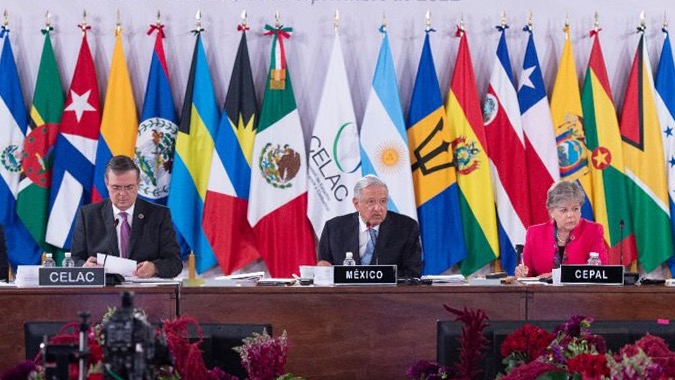
Disasters transcend national borders. Strengthening regional and international partnerships in disaster management enhances our collective ability to respond to large-scale events, share resources, and provide mutual support during crises. This includes establishing cross-border collaborations, sharing best practices, and coordinating relief efforts.
A Call to Action: Building a Resilient Future Together
Building resilient communities requires immediate and sustained action. By developing essential skills and actively participating in community-based disaster preparedness initiatives, we can make a profound difference. Let's unite, support one another, and create a safer, more resilient future for the Americas.
The lessons learned from North America’s community-based disaster preparedness efforts offer invaluable insights for the entire hemisphere. By prioritizing community engagement, education, infrastructure resilience, technological innovation, and inclusive social practices, we can create communities that not only survive but thrive in the face of adversity. Let us work together to build a more resilient North and South America.

No comments yet. Be the first to share your thoughts!