
Understanding Cancer Risk Factors: A Comprehensive Guide to Prevention
Cancer, a global health concern affecting millions, is a complex disease with diverse contributing factors. While a definitive cause isn't always identifiable, understanding and mitigating risk factors significantly improves the odds of preventing this devastating illness. This article explores fifteen key aspects of cancer prevention, offering actionable insights for a healthier life.
1. Family History: The Genetic Link (🧬) A family history of cancers like breast or colon cancer elevates your risk. Openly discussing your family's medical history with your doctor is crucial for personalized risk assessment and preventive strategies. Early detection through genetic testing may be recommended in high-risk families.
2. Tobacco Use: A Major Culprit (🚭) Smoking is a leading cause of numerous cancers. Quitting is paramount; it's one of the most impactful steps you can take to reduce your risk dramatically. Seek professional help if needed—your health is worth the investment.
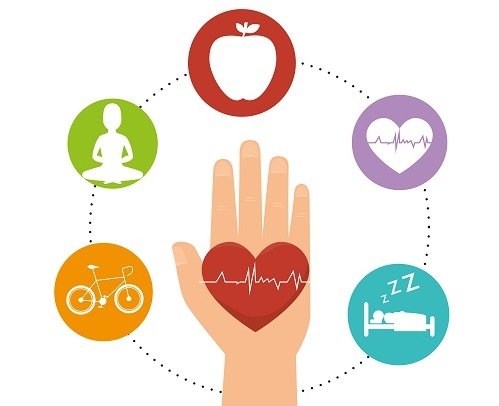
3. Nourishing Your Body: The Power of Diet (🍎) A balanced diet rich in fruits, vegetables, and whole grains is a cornerstone of cancer prevention. Minimize processed foods and sugary drinks, which contribute to weight gain, a known risk factor for several cancers.
4. The Importance of Physical Activity (🏋️♀️) Regular exercise not only helps maintain a healthy weight but also lowers the risk of certain cancers. Aim for at least 150 minutes of moderate-intensity or 75 minutes of vigorous-intensity aerobic activity per week, incorporating strength training for overall health.
5. Sun Protection: Shielding Against UV Rays (☀️) Excessive sun exposure and tanning beds significantly increase skin cancer risk. Use broad-spectrum sunscreen with an SPF of 30 or higher, wear protective clothing, and limit sun exposure during peak hours (10 a.m. to 4 p.m.).
6. Alcohol Consumption: Moderation is Key (🍷) Excessive alcohol intake is linked to several cancers, including breast, liver, and colorectal cancers. Limit alcohol consumption or abstain entirely to minimize your risk.
7. HPV Vaccination: Protecting Against Certain Cancers (💉) The human papillomavirus (HPV) vaccine protects against HPV-related cancers, including cervical, anal, and some head and neck cancers. Vaccination is highly recommended for both males and females to prevent these cancers.
8. Occupational Hazards: Workplace Safety (🏭) Certain occupations expose individuals to carcinogens like asbestos, chemicals, and radiation. Following safety protocols, utilizing protective gear, and being aware of potential workplace hazards are critical for minimizing cancer risk.
9. Regular Cancer Screenings: Early Detection Saves Lives (📝) Regular screenings, such as mammograms, colonoscopies, and Pap smears, are vital for early cancer detection when treatment is most effective. Adhere to recommended screening guidelines based on your age, risk factors, and family history.
10. Environmental Awareness: Protecting Yourself from Pollutants (🌍) Exposure to environmental pollutants, including air and water pollution, can increase cancer risk. Be mindful of your environment, and take steps to minimize exposure to harmful substances whenever possible.
11. Hormone Replacement Therapy (HRT): Weighing the Risks and Benefits (💊) Long-term use of HRT may increase the risk of certain cancers. Consult your healthcare provider to discuss the potential risks and benefits, ensuring a personalized approach to managing menopause symptoms.
12. Chronic Inflammation: Managing Underlying Conditions (🔥) Chronic inflammation is linked to an increased risk of cancer. Addressing underlying conditions like inflammatory bowel disease and maintaining a healthy lifestyle can help reduce inflammation and mitigate risk.
13. Genetic Predisposition: Understanding Your Genes (🧪) Inherited genetic mutations, such as BRCA1 and BRCA2, significantly increase the risk of certain cancers. Genetic counseling and testing can help identify individuals at higher risk, enabling proactive preventive measures.
14. Stress Management: Prioritizing Mental Well-being (😌) Chronic stress weakens the immune system, increasing susceptibility to various health problems, including cancer. Practice stress management techniques like meditation, yoga, or regular exercise to improve overall well-being.
15. Regular Check-Ups: Proactive Healthcare (👩⚕️) Regular check-ups with your doctor are essential for early cancer detection and prevention. Schedule annual check-ups and openly discuss any concerns or symptoms.
Conclusion: A Proactive Approach to Cancer Prevention
Understanding and managing cancer risk factors is crucial for prevention and early detection. By adopting a healthy lifestyle that incorporates the points discussed above, and by seeking regular medical care, you can significantly reduce your risk of developing this disease. Remember, proactive healthcare is the best defense.
We encourage you to share your thoughts and experiences on cancer prevention in the comments below. What strategies have been most helpful for you?



No comments yet. Be the first to share your thoughts!