
Understanding and Managing Stress: A Holistic Approach
Stress, a ubiquitous element of modern life, significantly impacts individual well-being. This article explores a comprehensive framework for stress recognition and management, drawing upon established psychological and physiological principles. We will define key concepts before exploring practical strategies grounded in evidence-based practices.
Key Concepts:
Stress: A state of mental or emotional strain or tension resulting from adverse or very demanding circumstances. This can manifest physiologically (e.g., elevated cortisol levels) and psychologically (e.g., anxiety, irritability).
Coping Mechanisms: Behaviors, thoughts, and emotions individuals utilize to manage stressful situations. These can be adaptive (e.g., problem-solving) or maladaptive (e.g., substance abuse).
Self-Efficacy: An individual's belief in their capacity to execute behaviors necessary to produce specific performance attainments. High self-efficacy is associated with better stress management.
Allostatic Load: The cumulative cost of chronic stress on the body, manifesting as physiological dysregulation and increased vulnerability to disease.
1. Identifying Stressors: A Foundation for Effective Intervention
Accurate identification of stressors is paramount. Utilizing techniques such as Cognitive Behavioral Therapy (CBT) frameworks, individuals can systematically identify triggers, whether work-related (e.g., demanding deadlines, role ambiguity), interpersonal (e.g., conflict, lack of support), or personal (e.g., financial strain, health concerns). This self-monitoring process, informed by the Transactional Model of Stress and Coping, acknowledges the interplay between individual appraisal of a stressor and their chosen coping strategy.
2. Physiological and Behavioral Indicators of Stress: Recognizing the Warning Signs
Recognizing the physical and behavioral manifestations of stress is crucial for early intervention. This involves attentiveness to somatic symptoms (headaches, muscle tension, gastrointestinal distress) and behavioral changes (irritability, sleep disturbances, decreased concentration). These are indicative of the body's stress response, potentially activating the hypothalamic-pituitary-adrenal (HPA) axis and resulting in the release of stress hormones. Regular self-assessment using validated stress scales can be beneficial.
3. Establishing a Proactive Self-Care Routine: Prioritizing Well-being
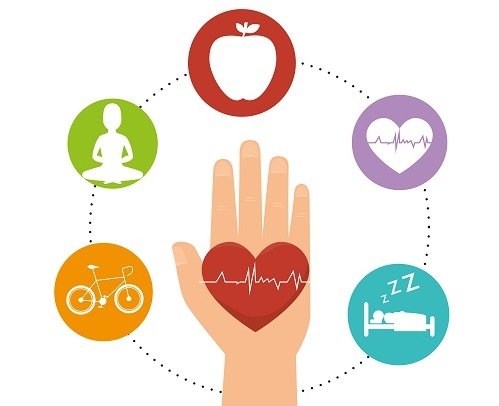
Proactive self-care is essential for mitigating stress and building resilience. This involves incorporating regular physical activity, mindful practices (e.g., meditation, yoga), and engaging in enjoyable hobbies that promote relaxation and psychological well-being. These activities foster a sense of control and self-efficacy, crucial elements in stress management according to Social Cognitive Theory.
4. Cultivating Supportive Relationships: The Power of Social Connection
Strong social support networks provide emotional buffering against stress. Building and nurturing relationships with family, friends, and colleagues offers opportunities for emotional disclosure, validation, and practical assistance. The social support received acts as a protective factor, reducing the impact of stressors and promoting psychological well-being, consistent with the tenets of the buffering hypothesis.
5. Effective Time Management and Prioritization: Mastering Organization
Effective time management and task prioritization are vital for reducing feelings of overwhelm. Employing techniques like time blocking, the Eisenhower Matrix (urgent/important), and delegation can help manage workload and create a sense of control. This reflects the importance of perceived control in managing stress.
6. Setting Realistic Goals and Boundaries: Balancing Expectations
Setting realistic, achievable goals and establishing healthy boundaries are critical. This prevents the accumulation of stressors stemming from unattainable aspirations or overcommitment. Goal-setting theory emphasizes the importance of specific, measurable, achievable, relevant, and time-bound (SMART) goals in maximizing motivation and minimizing frustration.
7. Implementing Relaxation Techniques: Promoting Physiological Calm
Regular practice of relaxation techniques, including deep breathing exercises, progressive muscle relaxation, and mindfulness meditation, actively counteracts the physiological effects of stress. These methods reduce sympathetic nervous system activation, lowering heart rate and blood pressure, and promoting a state of parasympathetic dominance, contributing to physiological homeostasis.
8. Healthier Coping Mechanisms: Replacing Maladaptive Strategies
Replacing maladaptive coping mechanisms (substance abuse, emotional eating) with healthier alternatives (exercise, journaling, creative expression) is vital for long-term stress management. These shifts align with cognitive restructuring techniques within CBT, promoting more adaptive thought patterns and behaviors.
9. Cultivating a Positive Mindset and Gratitude: Shifting Perspective
A positive mindset and practicing gratitude can reshape perceptions of stressors. Focusing on positive aspects of life and acknowledging personal strengths enhances resilience and emotional well-being. This aligns with positive psychology principles, emphasizing the power of optimism and gratitude in promoting mental health.
10. Seeking Professional Guidance: Accessing Expert Support
When stress becomes overwhelming, seeking professional help is crucial. Therapists or counselors can provide tailored interventions (CBT, mindfulness-based stress reduction), equipping individuals with evidence-based strategies to manage stress effectively and address underlying mental health concerns.
Conclusions and Recommendations
Effective stress management is a multifaceted process requiring a holistic approach encompassing physiological, psychological, and social dimensions. This article outlines strategies rooted in established psychological theories and models, emphasizing the importance of self-awareness, proactive self-care, and building resilience. The adoption of these strategies can significantly reduce the negative impact of stressors on physical and mental health, lowering allostatic load and promoting overall well-being. Further research could explore the effectiveness of integrating technology-based interventions, such as mobile apps for stress management and mindfulness, into existing frameworks. The long-term impact of utilizing a combination of techniques should be investigated, potentially using longitudinal studies to track changes in stress levels, physiological markers, and overall quality of life.
Reader Pool:
Considering the presented stress management strategies, what modifications or additions would you suggest to enhance their applicability and effectiveness within diverse cultural contexts and individual needs?




No comments yet. Be the first to share your thoughts!