
15 Evidence-Based Lifestyle Strategies for Holistic Well-being
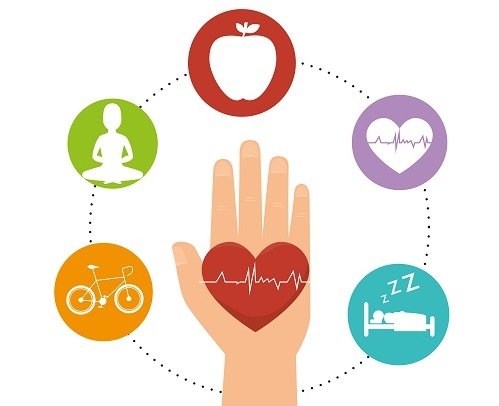
This article explores fifteen scientifically-supported lifestyle strategies contributing to enhanced physical and mental well-being. We will analyze these habits through established health models, emphasizing practical application and impact on overall health. Key concepts include the biopsychosocial model (interconnectedness of biological, psychological, and social factors in health); the self-regulation model (individual control over health behaviors); the Health Belief Model (perceived susceptibility, severity, benefits, and barriers influencing health behaviors); the Social Cognitive Theory (observational learning, self-efficacy, and environmental factors in behavior change); Maslow's Hierarchy of Needs (physiological, safety, love/belonging, esteem, and self-actualization needs); and the General Adaptation Syndrome (body's response to stress). These models provide a framework for understanding the complex interplay of factors influencing health outcomes and behavior change.
1. Optimized Hydration and Metabolic Function: Beginning the day with warm lemon water enhances hydration and gastrointestinal motility, potentially optimizing metabolic processes. This aligns with the principle of homeostasis, maintaining internal equilibrium. The mild acidity may stimulate digestive enzymes, improving nutrient absorption. This addresses Maslow's basic physiological needs, providing a foundation for overall health.
2. Mindful Nutrition and Satiety Regulation: Mindful eating, focusing on sensory experience and slowing consumption, improves awareness of satiety cues. This reduces overeating, promoting weight management and digestive health. This strategy reflects self-regulation, emphasizing conscious control over dietary intake.
3. Adequate Hydration for Cellular Function: Adequate hydration (at least eight glasses daily) is crucial for temperature regulation, nutrient transport, and waste removal, supporting optimal cellular function and energy levels. This directly fulfills a fundamental physiological need (Maslow's Hierarchy) impacting overall well-being.
4. Regular Physical Activity and Cardiovascular Fitness: Daily moderate-intensity exercise (at least 30 minutes) is crucial for cardiovascular health, weight management, and mental well-being. Exercise improves cardiovascular fitness, reduces chronic disease risk (Type II diabetes, some cancers), and enhances mood, aligning with the Health Belief Model’s emphasis on perceived benefits and self-efficacy.
5. Prioritizing Sleep Hygiene and Restorative Sleep: 7-8 hours of quality sleep is essential for restorative processes, immune function, and cognitive performance. Consistent sleep schedules, minimizing pre-sleep screen time, and creating a relaxing sleep environment are crucial. This supports the restorative processes outlined in the General Adaptation Syndrome, allowing the body to recover from daily stressors.
6. Cultivating Gratitude and Positive Emotions: Daily gratitude practices (e.g., journaling) promote positive emotions and reduce stress. Positive psychology highlights positive affect's impact on well-being and resilience. Regular reflection on positive experiences strengthens neural pathways associated with happiness.
7. Nutrient-Dense Diets and Minimizing Processed Foods: Prioritizing whole, unprocessed foods rich in vitamins, minerals, and antioxidants minimizes chronic disease risk. This aligns with nutritional epidemiology principles. Minimizing processed foods, often high in sugar and saturated fat, reduces the risk of various negative health outcomes.
8. Effective Stress Management and Psychological Resilience: Stress-reduction techniques (meditation, deep breathing) enhance psychological resilience, reducing chronic stress's negative impact. These techniques regulate stress responses, minimizing cortisol and other stress hormones' physiological burden.
9. Nurturing Social Support and Positive Relationships: Strong social support fosters belonging and enhances emotional well-being. Social Cognitive Theory shows how social support boosts self-efficacy, facilitating positive lifestyle changes. This addresses the social component of the biopsychosocial model.
10. Digital Detoxification and Mindful Technology Use: Regular technology breaks minimize negative effects (eye strain, sleep disturbances, anxiety). Mindful technology use ensures purposeful engagement rather than passive consumption.
11. Prioritizing Self-Care for Well-being: Self-care activities (relaxation, enjoyment) are essential for mental and emotional well-being. Self-compassion and self-efficacy are key to successful self-care routines, building resilience.
12. Ergonomic Practices for Musculoskeletal Health: Maintaining good posture prevents musculoskeletal problems (back pain) and promotes efficient body mechanics. This aligns with ergonomic principles, optimizing the work environment for health.
13. Effective Goal Setting and Behavior Change: Setting SMART goals (Specific, Measurable, Achievable, Relevant, Time-bound) and breaking them down fosters motivation and sustainable behavior change. This aligns with goal-setting theory, improving self-efficacy and adherence.
14. Cognitive Stimulation and Neuroplasticity: Cognitively stimulating activities (puzzles, learning) promote neuroplasticity and cognitive enhancement. This is supported by cognitive neuroscience research, showing the brain’s adaptability throughout life.
15. Building Self-Efficacy through Positive Reinforcement: Celebrating achievements reinforces positive behaviors and boosts self-efficacy. Positive reinforcement (operant conditioning) strengthens desired behaviors through positive feedback.
Conclusions and Recommendations
Integrating these evidence-based lifestyle strategies provides a holistic approach to well-being. Incremental changes are more sustainable than drastic overhauls. Successful implementation requires self-awareness, planning, and commitment. Future research should explore the long-term impact of these integrated interventions on specific health outcomes (chronic disease prevention, quality of life) across diverse populations, considering individual circumstances and cultural contexts. The impact on healthcare systems could involve a significant shift towards preventative medicine, reducing the burden of chronic disease management. A longitudinal study design would provide more robust evidence regarding the effectiveness of this integrated approach. Qualitative research could also explore individual experiences and barriers to adopting these lifestyle changes.
Reader Pool: Considering the presented evidence-based strategies and their underlying theoretical frameworks, how might these be adapted and implemented within specific healthcare settings to promote widespread adoption and sustained positive health outcomes?



No comments yet. Be the first to share your thoughts!