
Optimizing Work-Life Integration During Career Transitions
Introduction: Career transitions, while potentially exciting, often present significant challenges to individual well-being. This article explores the critical issue of maintaining work-life balance during this period, employing established frameworks such as the Conservation of Resources (COR) theory and the Job Demands-Resources (JD-R) model to understand and address the complexities involved. COR theory posits that individuals strive to acquire and protect resources, while stressors deplete these resources; JD-R proposes that job demands (e.g., workload) and job resources (e.g., autonomy) influence employee well-being. Effective work-life integration strategies are crucial for mitigating resource depletion and fostering a sustainable approach to career advancement. This article presents fifteen actionable strategies to facilitate this integration.
1. Proactive Goal Setting and Planning: Before initiating a career transition, a detailed plan is essential. This involves SMART goal setting (Specific, Measurable, Achievable, Relevant, Time-bound), incorporating both career objectives and personal life goals. This proactive approach, grounded in the principles of goal-setting theory, minimizes stress and maximizes resource allocation by providing a clear path forward, reducing uncertainty—a major stressor according to the transactional model of stress and coping.
2. Establishing Clear Boundaries: Creating a distinct separation between work and personal life is paramount. This involves establishing dedicated workspaces and adhering to defined work hours, minimizing bleed-over. This principle, aligned with the concept of boundary management, reduces role conflict and promotes psychological detachment, vital components of work-life balance. Implementing time-blocking techniques can further enhance this separation.
3. Leveraging Technology for Efficiency: Utilizing technology to streamline tasks and communication is crucial. Employing project management tools, calendar applications, and communication platforms enhances efficiency, reducing time spent on non-essential activities. This aligns with the principles of organizational behavior, emphasizing efficient resource utilization and optimized workflow.
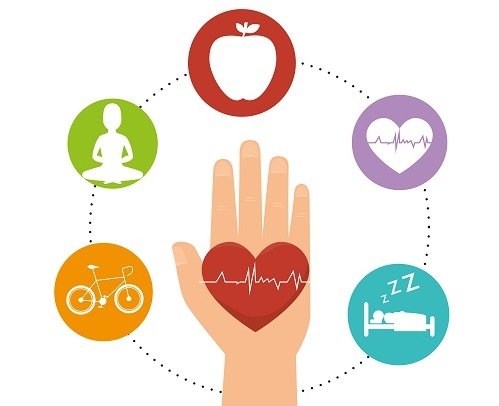
4. Prioritizing Physical and Mental Well-being: Regular physical activity and mindfulness practices are fundamental to stress management. Exercise, as supported by research in positive psychology, releases endorphins, reduces stress hormones, and improves mood. Mindfulness techniques, such as meditation, promote emotional regulation and improve focus, mitigating the negative effects of job demands (JD-R model).
5. Strategic Break Management: Regular breaks throughout the workday are essential to prevent burnout. Short, scheduled breaks allow for mental and physical restoration, boosting productivity and overall well-being. This principle is consistent with restorative justice, providing an opportunity to re-energize for future tasks.
6. Continuous Professional Development: Investing in personal and professional development during a career transition enhances job prospects and maintains motivation. This aligns with human capital theory, where investments in skills and knowledge yield future returns in terms of career advancement and improved well-being.
7. Cultivating a Supportive Network: Seeking support from friends, family, mentors, or professional networks provides emotional resilience and valuable guidance during challenging transitions. Social support is a crucial resource (COR theory) mitigating the negative impact of stressors and fostering a sense of belonging.
8. Sleep Hygiene and Restoration: Prioritizing adequate sleep is crucial for cognitive function, stress management, and overall well-being. Consistent sleep schedules and relaxing bedtime routines contribute to better sleep quality, enhancing cognitive resources and reducing stress vulnerability.
9. Realistic Expectation Management: Setting realistic expectations regarding the timeline and potential challenges of a career transition prevents disillusionment and maintains motivation. This aligns with self-efficacy theory, emphasizing the importance of believing in one's ability to achieve goals despite setbacks.
10. Prioritization Based on Core Values: Identifying and prioritizing personal values guides decision-making during the transition, ensuring alignment between career choices and personal life goals. This principle is grounded in values-based decision-making, ensuring that actions are congruent with personal beliefs and values.
11. Open and Honest Communication: Effective communication with employers, colleagues, and family is critical. Clearly stating needs and limitations facilitates understanding and support, fostering a collaborative environment where work-life integration is prioritized.
12. Nurturing Relationships: Prioritizing relationships with family and friends provides emotional support and a sense of connection. This aligns with social exchange theory, suggesting that strong social bonds are reciprocal and provide valuable resources during challenging periods.
13. Avoiding Overcommitment: Carefully evaluating commitments and learning to say "no" prevents overextension and preserves mental and physical resources. This strategy is fundamental to self-care and stress prevention.
14. Regular Evaluation and Adjustment: Regularly assessing work-life balance allows for timely adjustments in strategies and priorities, ensuring ongoing adaptation to changing circumstances.
15. Seeking Professional Guidance: Consulting a career counselor or therapist can provide personalized support and strategies to navigate the complexities of a career transition, optimizing both career progression and overall well-being.
Conclusions and Recommendations: Successful work-life integration during career transitions requires proactive planning, mindful boundary setting, and a commitment to personal well-being. By implementing the strategies outlined above, individuals can mitigate stress, maximize resource utilization, and foster a sustainable approach to career advancement. Future research should explore the longitudinal impact of these strategies on long-term well-being and career success, focusing on diverse populations and specific career fields. The effectiveness of different intervention methods, such as mindfulness-based stress reduction or tailored technology solutions, should also be examined. Organizations also have a role to play in fostering supportive environments that prioritize employee well-being and work-life integration through policy changes and training programs.
Reader Pool: How might the application of organizational support systems, in addition to individual strategies, further enhance work-life integration during career transitions?


No comments yet. Be the first to share your thoughts!